




 © Matthew Booth
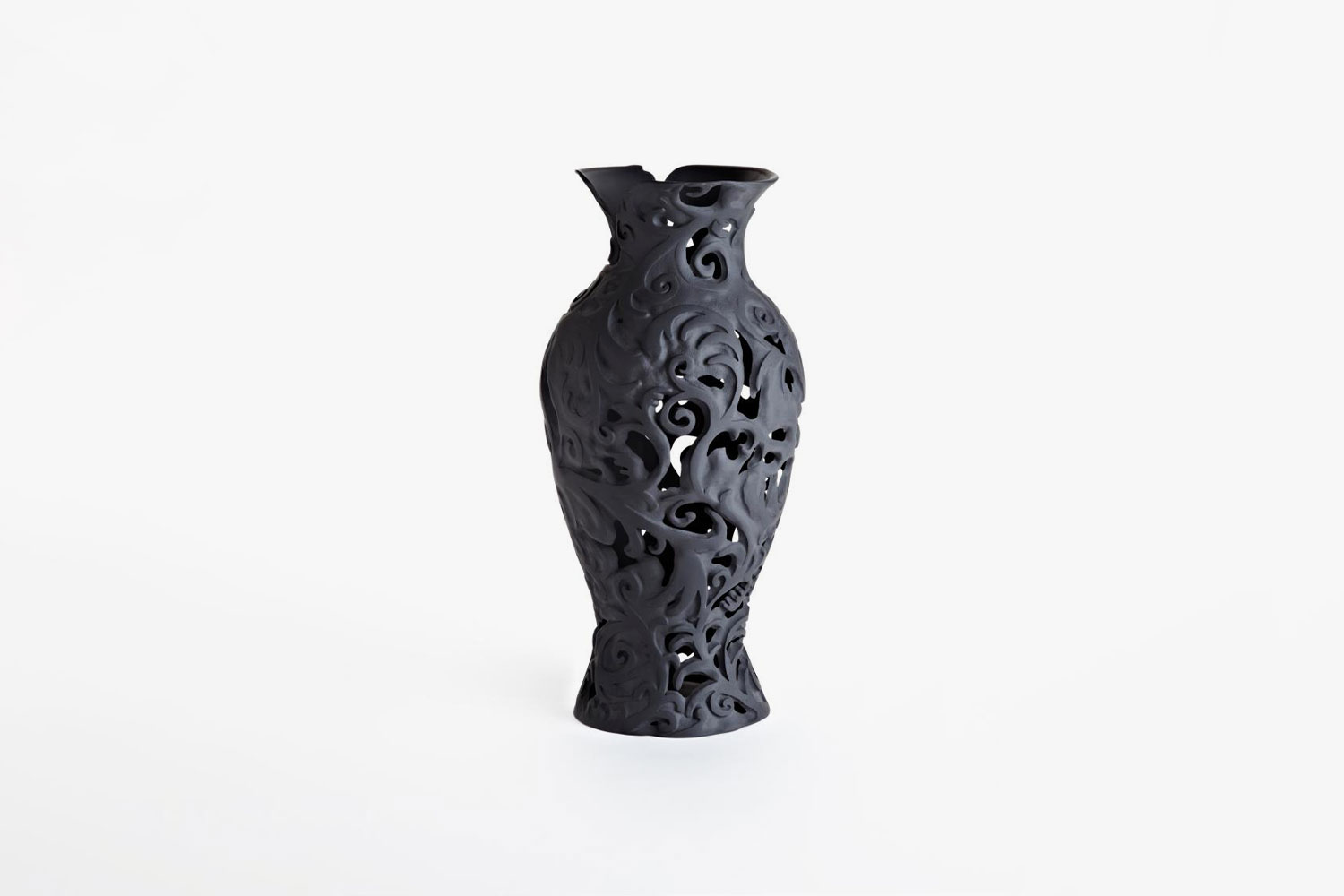
Vanitas III
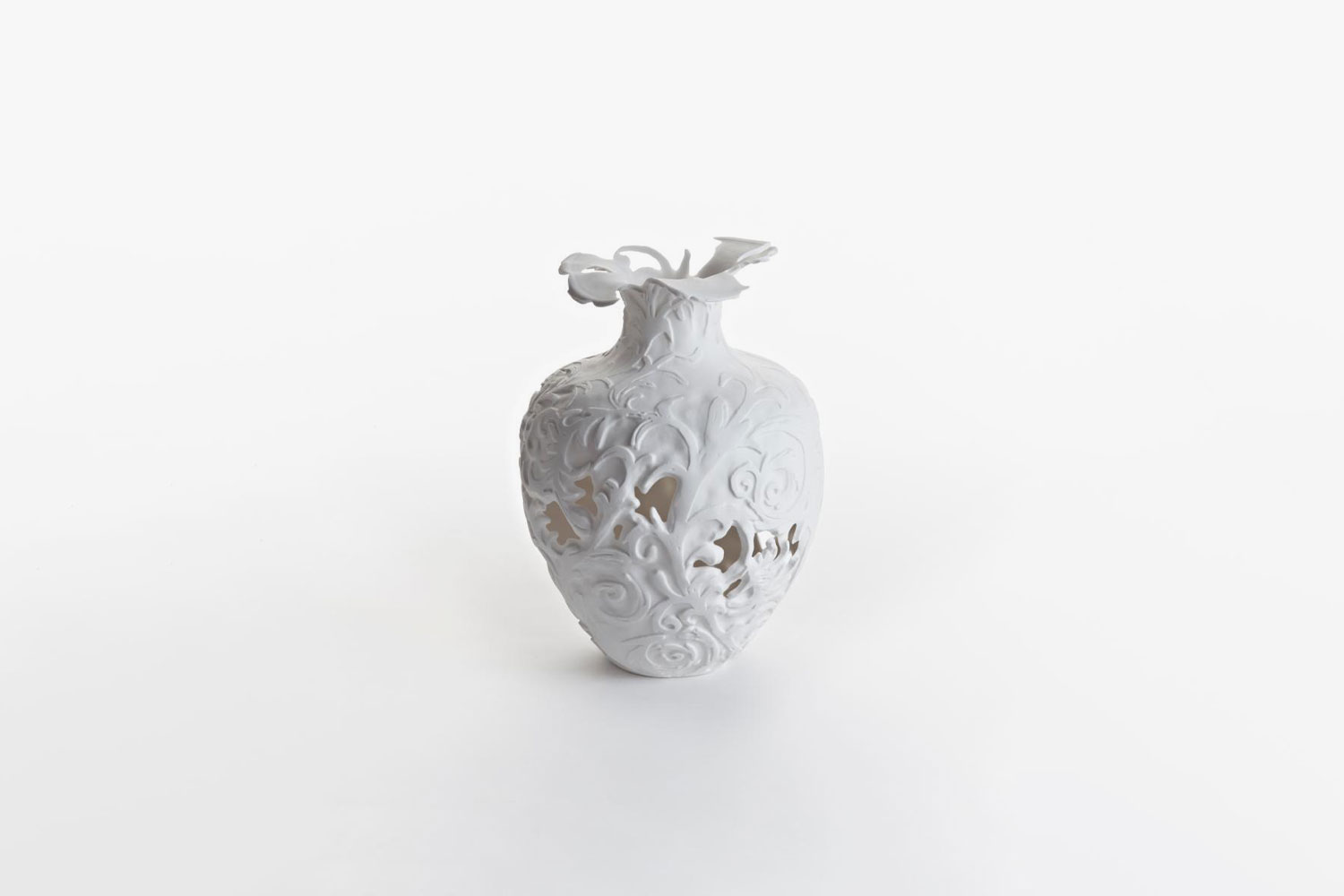
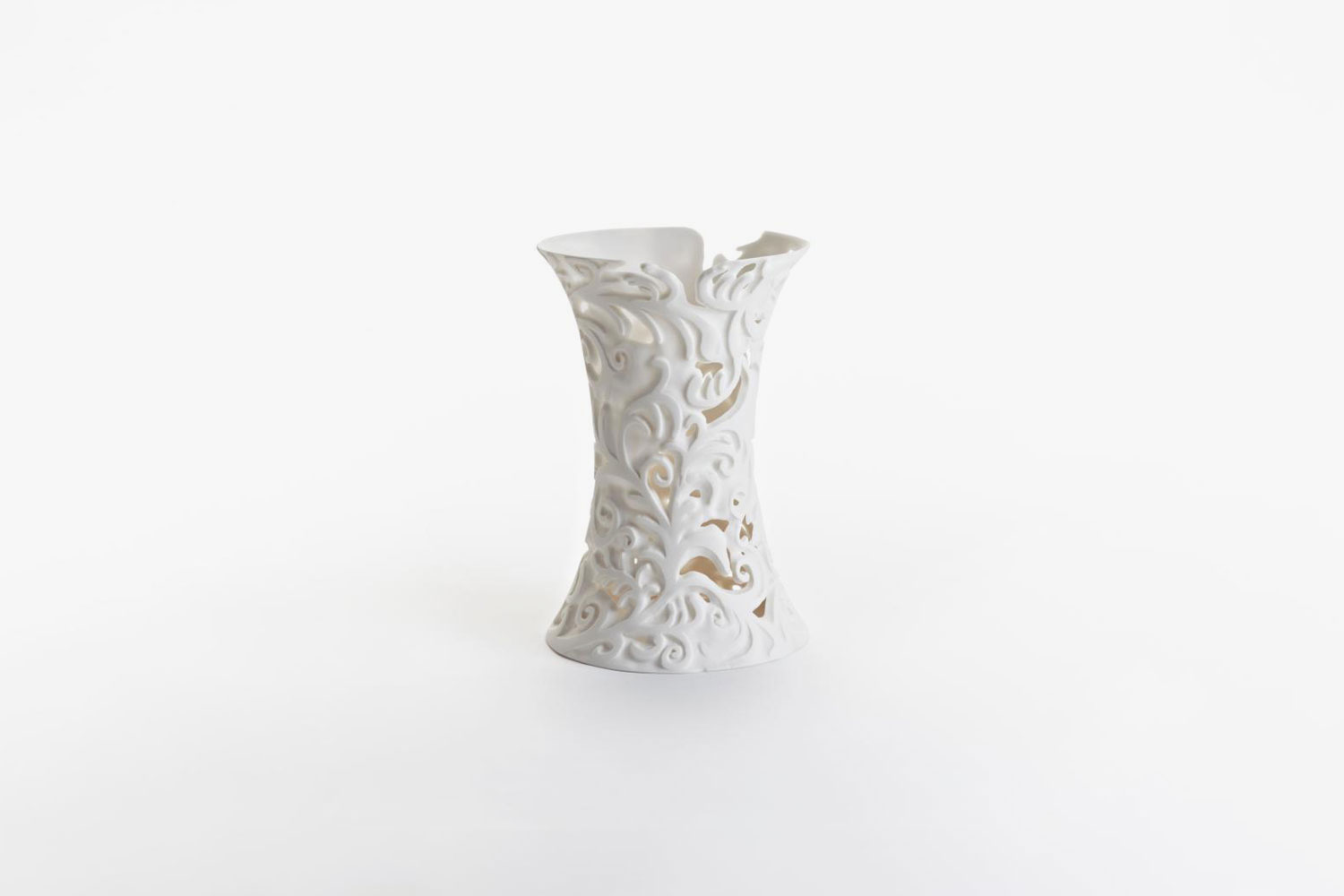
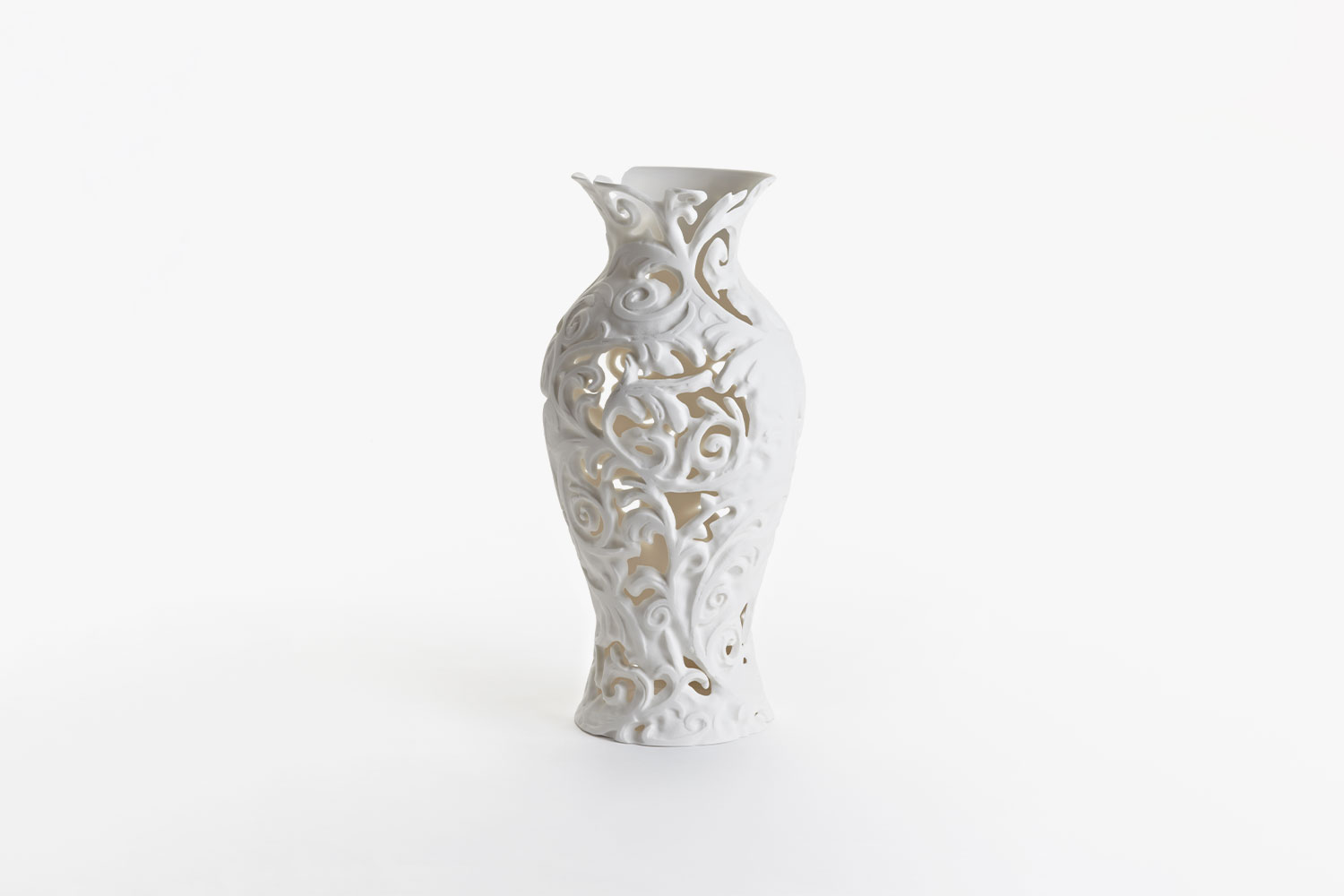
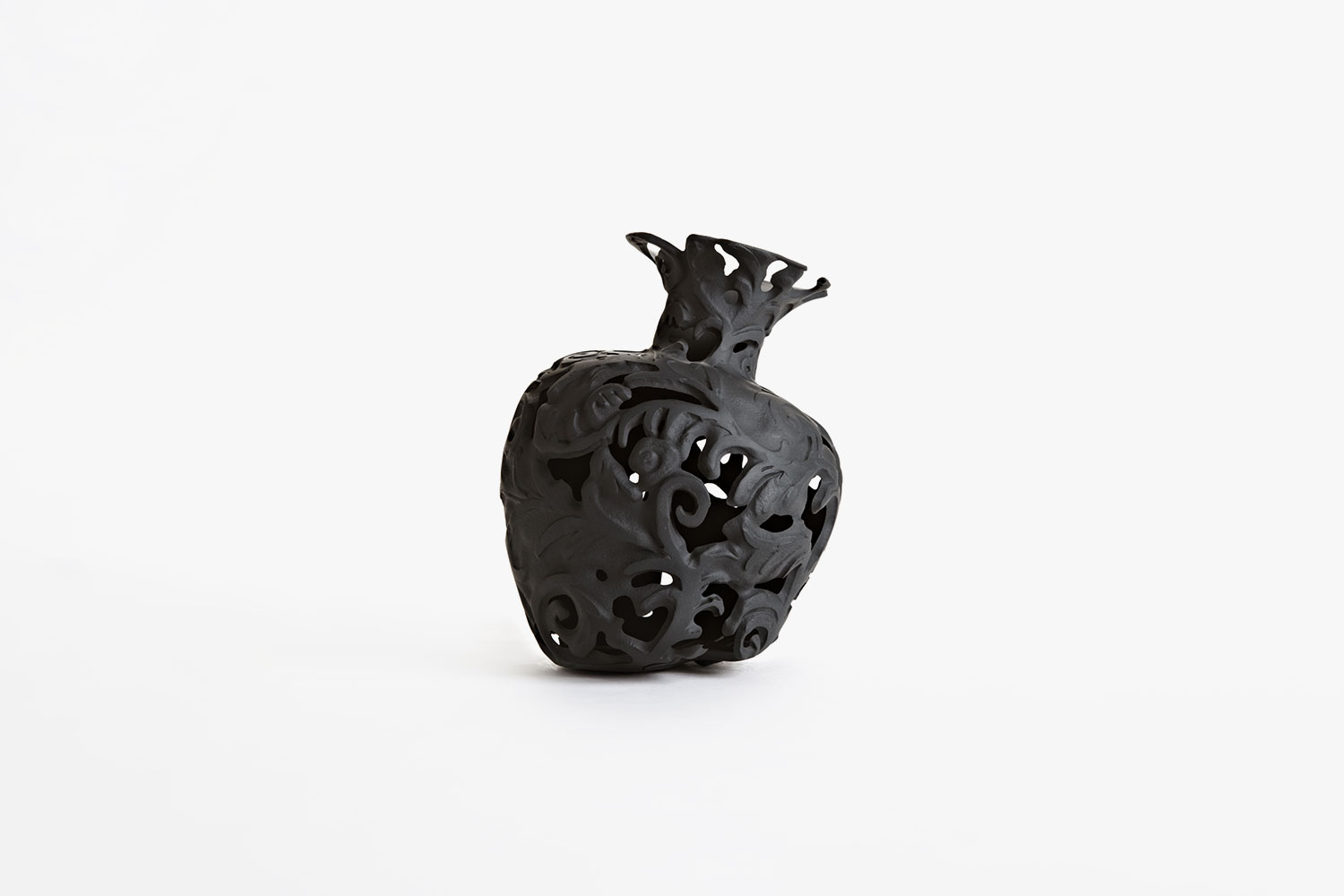
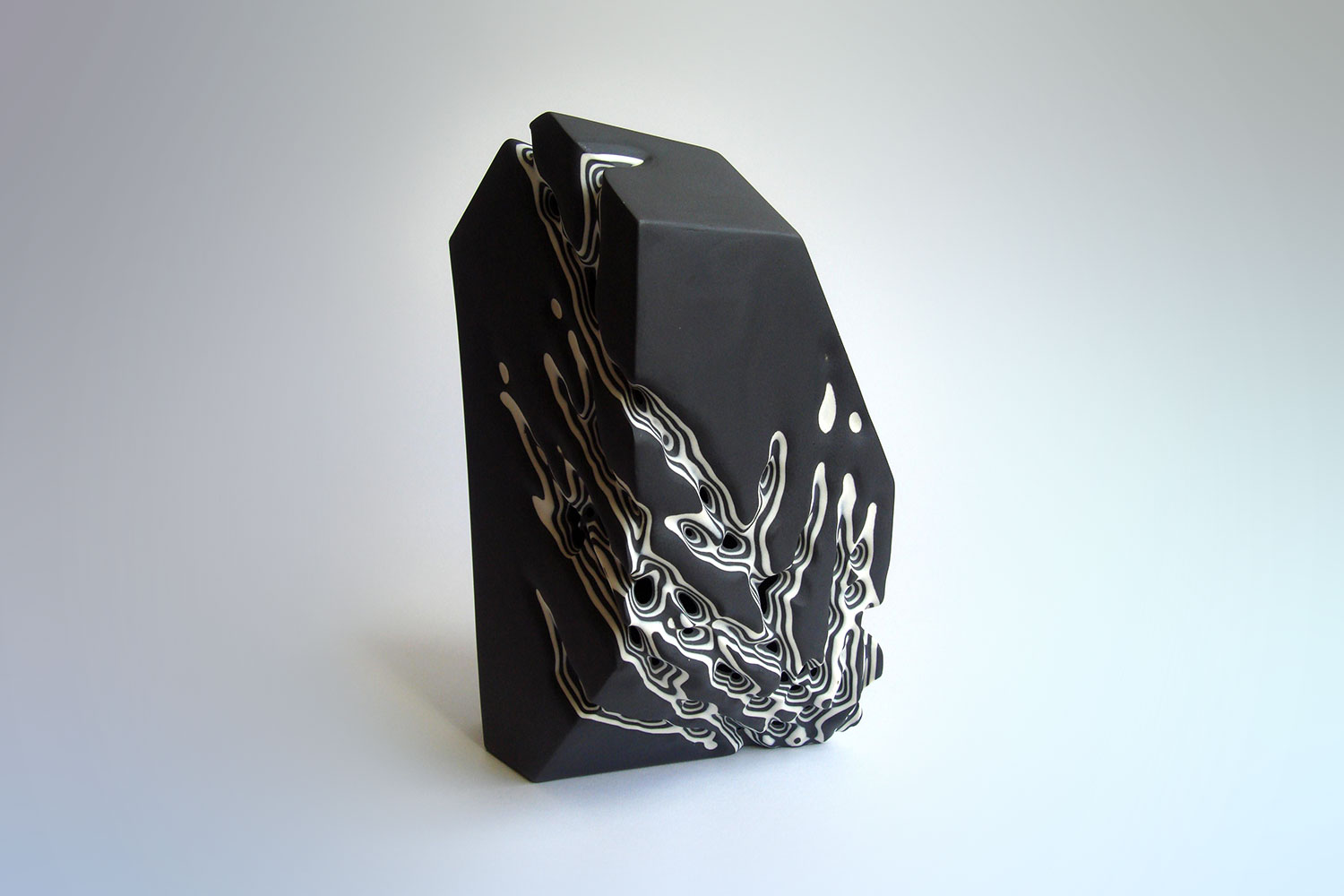
Vanitas III black porcelain vase was slip cast, bisque fired and then painted by hand with a resist. An industrial sandblaster was then used as an etching tool to eat away at the ceramic before the final firing. Through this method, the decoration becomes integral to the body of the vase, rather than just being applied to the surface. The pattern forms the vase's structure, with the other areas appearing to be eroded. Depending on the amount of deterioration, parts of the vase may start to peel, distort and collapse during the final kiln firing, giving the delicate feeling of being "on the turn": held just at the point of decay.
Detailed FeaturesStory
● Type: Vase
● Dimensions: 37 H x 18 Ø cm
● Material: Porcelain
● Date: 2012
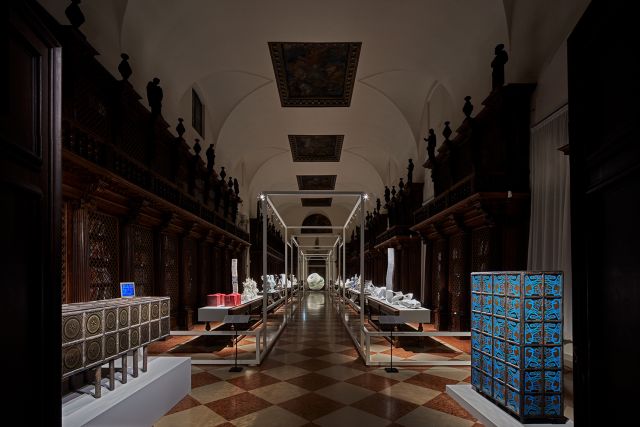 Porcelain VirtuosityExhibition
Other objects
Exhibitor
Porcelain VirtuosityExhibition
Other objects
Exhibitor







 United Kingdom
Tamsin van Essen
United Kingdom
Tamsin van Essen
You may also like
Organised by

Under the high patronage of








In partnership with